

Executive Coaching in Boston
World-class coaching for leaders in biotech, financial services, healthcare, and consulting. JMG brings proven methodology to the most innovative square mile on earth.
Schedule Your Strategic SessionFeatured In


Leadership Challenges Facing Boston Executives
Every market has its own leadership context. Here are the challenges that make Boston distinct.
managing the Biotech Talent Squeeze at the Executive Level
Boston’s biotech sector faces a severe shortage of seasoned C-suite leaders. With hundreds of startups competing for executives who have experience taking drugs through FDA approval or scaling a biotech company from Series A to commercialization, demand far outstrips supply. The result: executive turnover, inflated compensation packages, and leadership teams that may lack the depth to manage clinical setbacks or funding downturns. In 2025, Massachusetts saw 4,100 biotech job losses despite continued VC investment, creating whiplash for leaders managing simultaneous layoffs and strategic pivots.
Leading Through the University-Industry Disruption
Federal funding cuts to research universities (Harvard, MIT, Boston University) are disrupting the talent pipeline that feeds Boston’s innovation economy. Executives in biotech, healthcare, and technology must manage reduced access to graduate-level research talent, shifting university partnerships, and potential loss of intellectual property pipelines. Leaders need to develop new strategies for talent sourcing, R&D partnerships, and workforce development as the traditional university-to-industry funnel narrows.
Managing Cost-of-Living Driven Retention Challenges
With housing costs exceeding $1 million for a median single-family home and overall living costs 46% above the national average, Boston employers face acute retention pressure. Mid-level managers and emerging leaders are especially vulnerable to poaching by lower-cost markets offering remote work. Executives must build compelling value propositions beyond compensation, including career development, mission alignment, and flexible work arrangements, to retain key talent.
Balancing Hybrid Work in Knowledge-Intensive Environments
Boston’s dominant industries (biotech, consulting, finance, healthcare) require different hybrid models. Lab-based biotech companies need physical presence; consulting firms value client-facing flexibility; financial services firms are split between trading-floor requirements and remote-capable roles. MIT research suggests "you can’t Zoom mentorship," creating tension between flexibility demands and the need for cohesive, mission-driven teams. Executives must develop nuanced, sector-appropriate approaches rather than one-size-fits-all policies.
managing DEI Retrenchment in a Progressive Market
Boston operates in a unique tension: Massachusetts is one of the most progressive states on workplace equity, yet the national political and legal environment has forced many companies to scale back or rebrand DEI initiatives. Boston executives face the challenge of maintaining inclusive cultures and diverse leadership pipelines while adapting to shifting federal enforcement, investor scrutiny, and legal risk. The city’s healthcare and education sectors, which employ the majority of Boston’s workforce, have been particularly affected as they rely on federal funding and contracts.
Why Boston Leaders Choose John Mattone Global
Intellectual Rigor for a Data-Driven Market
Boston’s business culture prizes evidence-based decision-making and measurable outcomes. JMG’s Intelligent Leadership® methodology delivers structured, assessment-driven coaching that matches the analytical depth executives in biotech, consulting, and financial services expect. This is not generic leadership theory; it’s a proven system built on decades of research and Fortune 500 application.
Experience Across Boston’s Core Industries
JMG has coached senior leaders across the industries that define Boston: life sciences executives managing FDA pathways, financial services leaders managing regulatory complexity, healthcare administrators balancing clinical and business imperatives, and consulting partners driving organizational transformation. This cross-sector experience means coaching is grounded in real business challenges, not abstract frameworks.
Global Perspective for a Global Innovation Hub
Boston companies operate on a global stage, from Fidelity’s worldwide asset management to Moderna’s international vaccine distribution. JMG brings a global coaching network of 700+ certified coaches, enabling consistent leadership development across geographies. With the world’s #1 and #2 ranked executive coaches, JMG matches the caliber of leadership that Boston’s elite institutions demand.
Retention and Succession Planning Expertise
In a market where replacing a senior biotech executive can cost millions and top consulting talent has limitless options, retention strategy is a leadership imperative. JMG’s coaching develops the emotional intelligence, team-building capacity, and strategic communication skills that keep high performers engaged and position organizations for smooth leadership transitions.
Igniting Breakthrough Leadership Performance & ROI
John Mattone Global's coaching doesn't just promise growth. It delivers measurable, transformative change. By leveraging our exclusive LeaderWatch® tool, we track real, quantifiable improvements.
Agility with Change & People
Improvement
Creativity & Innovation
Improvement
Building & Sustaining a Positive Team Culture
Improvement
One-On-One Communications
Improvement
Overall Leadership
Improvement
6 of the World's Top 20 Executive Coaches. One Firm.
Global Gurus 2026 rankings. More top-20 coaches than any other firm in the world.
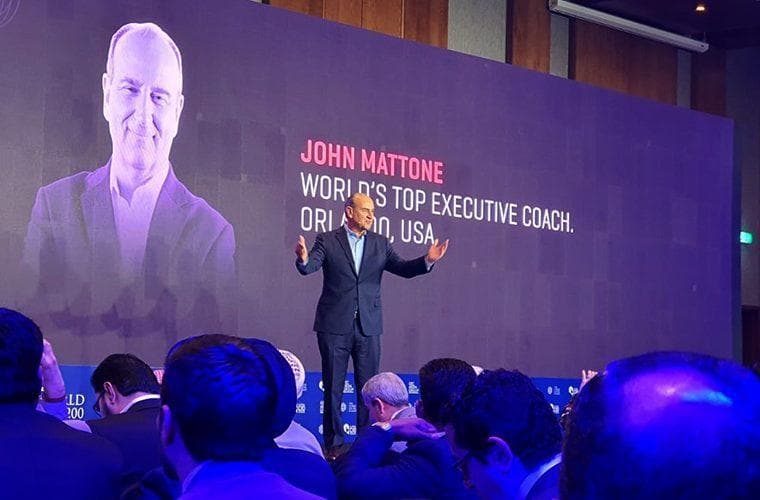 #1
#1John Mattone
 #2
#2Dr. Aldo Civico
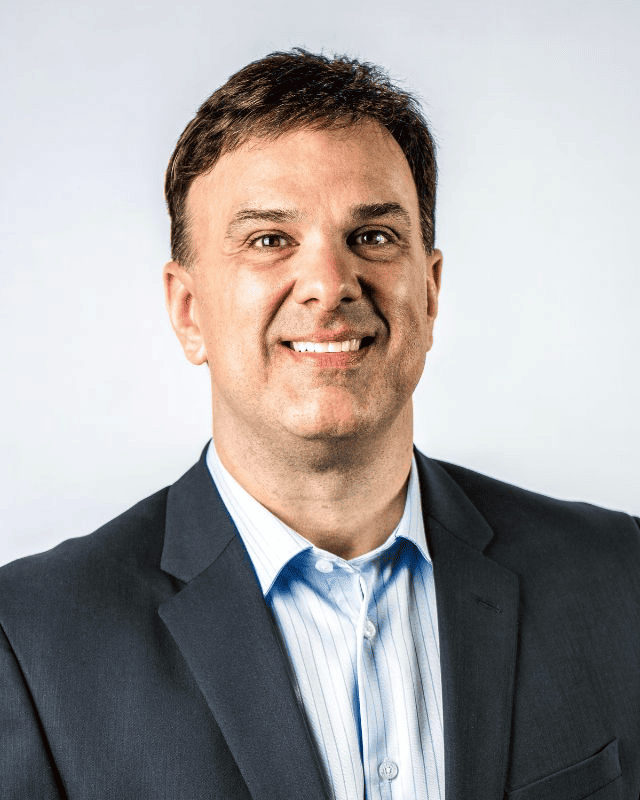 #5
#5Mark Nation
 #9
#9Dr. Barbara Dalle Pezze
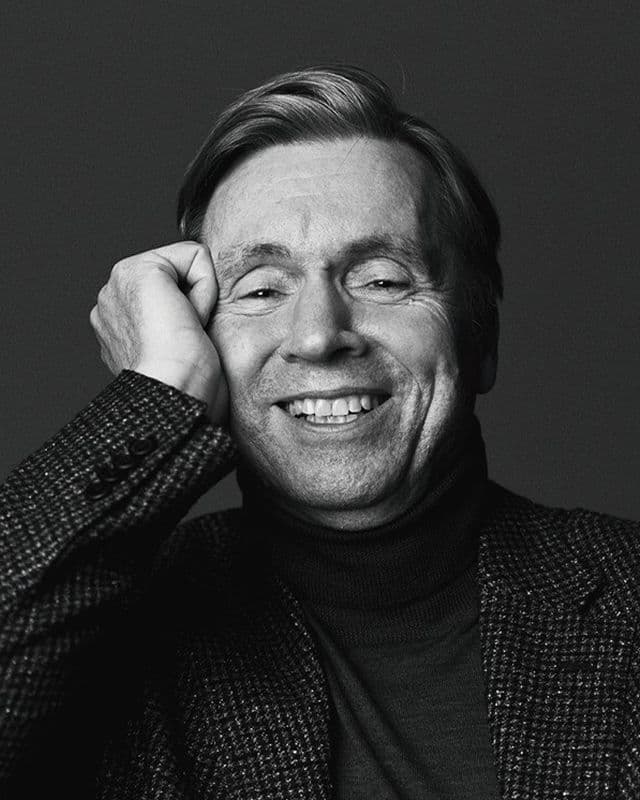 #10
#10Dr. Vincent Pieterse
 #16
#16Puja Talesara
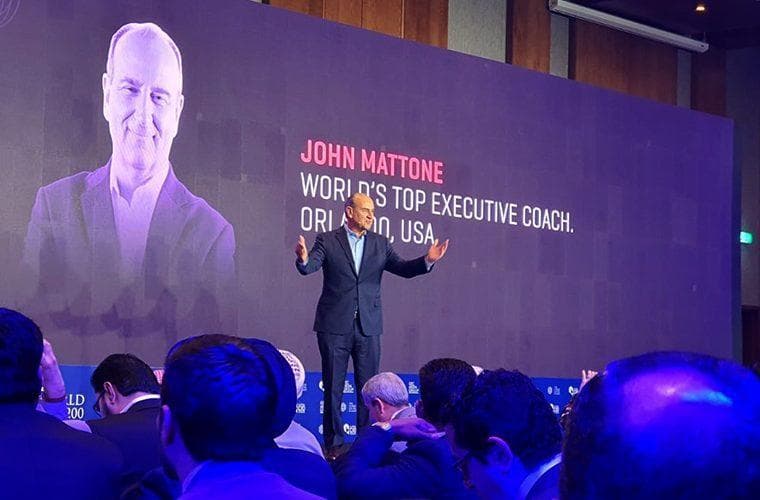
John Mattone & Intelligent Leadership®
John Mattone is the world's #1 ranked executive coach by Global Gurus, a distinction he has held seven times. His proprietary Intelligent Leadership® methodology combines inner-core development (values, character, mindset) with outer-core skills (strategy, communication, execution) to produce measurable, lasting transformation.
JMG's approach is built on proprietary tools like the MLEI® and STLI-360® assessments, which give leaders a data-driven baseline and a clear roadmap for growth. Combined with the LeaderWatch® tracking system, every coaching engagement delivers documented, quantifiable results.
Learn About Intelligent LeadershipWhy Boston Leaders Choose JMG
The Boston metropolitan area generates a GDP of $683 billion, making it the 10th largest metro economy in the United States and larger than the national economies of Sweden, Belgium, or Norway. Massachusetts is home to 18 Fortune 500 companies, with seven headquartered within Boston’s city limits, including Liberty Mutual, State Street, Vertex Pharmaceuticals, Wayfair, American Tower, and Eversource Energy. Boston’s per capita GDP of $118,643 ranks among the highest of any major U.S. metro, reflecting the concentration of high-value knowledge-economy sectors.
Key Industries
Major Companies
Schedule Your Consultation
Book directly with Nicholas Mattone or Trevor Maloney. No sales pitch, just actionable insight on your highest-impact leadership lever.
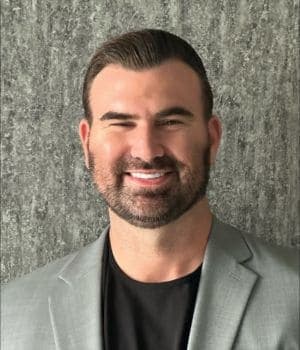
Nicholas Mattone
CEO of JMG | Executive coach and leadership strategist
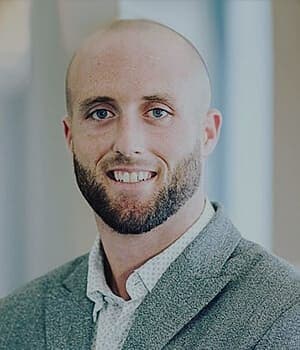
Trevor Maloney
Chief Growth Officer | IL Master Coach and advisor to global C-suites
Frequently Asked Questions
Why is Boston a unique environment for executive coaching?
Boston’s leadership environment is shaped by the convergence of world-class research institutions, a dominant biotech and life sciences cluster, and legacy financial services firms. This creates a business culture that prizes intellectual rigor, evidence-based decision-making, and measurable outcomes. Leaders here operate in an environment where Harvard, MIT, and the Big Three consulting firms set the standard for analytical depth. Effective coaching must match this culture with data-driven, outcome-focused methodology grounded in real business challenges rather than generic leadership theory. Given Boston’s concentration of elite talent, executives benefit from coaches who have worked with top-tier leaders and can match the intellectual sophistication of the coachee.
How does executive coaching help biotech and life sciences leaders in the Boston-Cambridge corridor?
Biotech executives in Boston face a distinctive set of pressures: managing multi-year drug development timelines under investor scrutiny, leading teams of PhDs and MDs who often resist traditional management structures, managing FDA regulatory pathways, and making high-stakes go/no-go decisions on clinical programs. Executive coaching helps these leaders develop resilience during the long and uncertain drug approval process, improve communication with boards and investors, build leadership teams that can scale from startup to commercial-stage operations, and manage the emotional toll of clinical trial outcomes. With 197 funding rounds in Massachusetts in 2025 alone, the coaching need is amplified by the sheer pace at which companies form, scale, and pivot.
What leadership development challenges are specific to Boston’s healthcare executives?
Boston’s healthcare sector employs more people than any other industry in the city, with Mass General Brigham alone managing 82,000 employees. Healthcare executives here face unique challenges: leading through staffing shortages and nurse burnout, integrating clinical care with academic research missions, managing multi-billion-dollar budgets under reimbursement pressure, and managing the politics of academic medicine across multiple Harvard-affiliated hospitals. Executive coaching helps healthcare leaders develop the emotional intelligence needed to bridge administrative and clinical cultures, improve physician engagement and retention, and drive organizational change in institutions that can be deeply resistant to it.
How can executive coaching support leaders managing Boston’s cost-of-living and talent retention pressures?
With housing prices exceeding $1 million and overall cost of living nearly 46% above the national average, Boston-area executives face constant pressure to retain top talent against competitors in lower-cost markets offering remote work. This challenge is especially acute in middle management, where leaders are being asked to do more with less as companies adopt AI tools rather than hiring. Executive coaching helps leaders develop compelling team cultures that attract and retain talent beyond compensation alone. Coaching also builds leaders’ capacity to advocate effectively within their organizations for competitive benefits, flexible work arrangements, and career development pathways that reduce turnover.
How does Boston’s concentration of elite consulting firms shape the executive coaching market?
Boston is the only city in the world that serves as global headquarters for two of the Big Three management consulting firms (BCG and Bain), with McKinsey also maintaining a major presence. This creates a business culture steeped in analytical rigor, structured problem-solving, and high performance expectations. Leaders at these firms and their client organizations expect coaching engagements that are strategic, ROI-driven, and intellectually demanding. Also,, many Boston executives have been trained in consulting methodologies, so they require coaches who can operate at or above that level of sophistication. The coaching relationship in Boston is seen less as remedial and more as a competitive edge, similar to how elite athletes use performance coaches.