

Executive Coaching in Philadelphia
World-class coaching for leaders in the nation’s #4 life sciences market. JMG brings proven methodology to healthcare, pharma, higher education, and Fortune 500 executives on the Northeast Corridor.
Schedule Your Strategic SessionFeatured In


Leadership Challenges Facing Philadelphia Executives
Every market has its own leadership context. Here are the challenges that make Philadelphia distinct.
Leading Through Healthcare System Consolidation
Philadelphia’s healthcare environment is undergoing rapid and transformative consolidation. Jefferson Health grew from 3 hospitals to 32 in under a decade. Penn Medicine acquired Doylestown Health in 2025. Executives leading through these mergers must integrate dramatically different organizational cultures, standardize operations across dozens of facilities, retain clinical talent who may resist institutional change, and maintain quality of care during disruptive transitions. The challenge is compounded by resident physician unionization: approximately 4,400 residents and fellows across Penn Medicine, Jefferson, Temple, and CHOP have unionized or announced plans to do so.
Bridging the "Two Philadelphias" Economic Divide
Despite headline economic gains, Philadelphia remains one of the poorest large cities in America, with a 20.3% poverty rate. Median household income ($60,302) lags significantly behind the metro area. The city’s population has declined 1.9% since its 2020 peak, and nearly half of renters are cost-burdened. Leaders in Philadelphia’s anchor institutions (hospitals, universities, large corporations) face growing pressure to address economic inequality through hiring practices, community investment, and inclusive leadership.
Retaining Life Sciences Innovation Against Boston and San Francisco
Philadelphia ranks #4 in life sciences but faces persistent challenges in retaining startups and talent against Boston, San Francisco, and San Diego. The region’s venture capital infrastructure remains underdeveloped relative to its research output. Founders routinely seek funding outside the region. Leaders in Philadelphia’s life sciences sector must manage the tension between building local companies and losing them to better-funded ecosystems, while advocating for state and city incentives to make Philadelphia more competitive for capital-intensive biotech ventures.
Managing the Post-Pandemic Urban Office and Transit Reset
Remote and hybrid work remain well above pre-pandemic levels in Philadelphia, with significant consequences. City tax revenues from the wage tax have been impacted. SEPTA ridership remains below pre-pandemic levels, straining the transit system. Leaders must manage a workforce that increasingly demands flexibility while maintaining the in-person collaboration that Philadelphia’s density-dependent sectors (healthcare, life sciences, higher education) require. The challenge is especially acute for executives at anchor institutions clustered in University City and Center City.
managing Federal Funding Uncertainty for Eds-and-Meds Institutions
Philadelphia’s economy is unusually dependent on federal funding flows. NIH alone directs $1.3 billion annually to Philadelphia institutions. Recent shifts in federal funding priorities, particularly potential cuts to research grants and academic programs, threaten the foundation of the eds-and-meds economy. An estimated $280 million in grants and contracts have been cut from city institutions. University leaders face hiring freezes, and hospital systems that depend on Medicare and Medicaid reimbursements face additional regulatory exposure.
Why Philadelphia Leaders Choose John Mattone Global
Healthcare and Life Sciences Coaching Expertise
Philadelphia’s dominant sectors demand coaching that understands clinical operations, regulatory complexity, healthcare consolidation, and research commercialization. JMG has coached C-suite executives across healthcare systems and life sciences companies, providing the specialized perspective that Philadelphia’s institutional leaders need. This is not generic executive development; it’s coaching informed by the dynamics of mission-driven, highly regulated organizations.
Mission-Driven Leadership Development
Philadelphia’s anchor institutions (hospitals, universities, nonprofits) require leaders who can deliver both financial performance and social impact. JMG’s Intelligent Leadership® methodology develops the emotional intelligence, stakeholder management skills, and strategic vision needed to lead organizations where public mission and private performance must coexist. With the world’s #1 ranked executive coach, JMG matches the caliber of leadership these institutions demand.
Northeast Corridor Perspective
Philadelphia executives operate at the intersection of New York’s financial markets and Washington’s regulatory environment. JMG’s national and global coaching network provides the cross-market perspective needed to manage these dynamics. Whether coaching a Comcast executive managing media strategy or a pharma leader managing FDA pathways, JMG brings the breadth of experience that Philadelphia’s multi-sector environment requires.
Consolidation and Change Leadership
Philadelphia’s healthcare consolidation wave (Jefferson’s expansion from 3 to 32 hospitals, Penn Medicine’s acquisitions) creates intense demand for leaders who can integrate organizations, build trust across newly combined entities, and maintain performance during upheaval. JMG’s coaching develops the resilience, communication discipline, and strategic agility needed to lead through transformative change at institutional scale.
Igniting Breakthrough Leadership Performance & ROI
John Mattone Global's coaching doesn't just promise growth. It delivers measurable, transformative change. By leveraging our exclusive LeaderWatch® tool, we track real, quantifiable improvements.
Agility with Change & People
Improvement
Creativity & Innovation
Improvement
Building & Sustaining a Positive Team Culture
Improvement
One-On-One Communications
Improvement
Overall Leadership
Improvement
6 of the World's Top 20 Executive Coaches. One Firm.
Global Gurus 2026 rankings. More top-20 coaches than any other firm in the world.
 #1
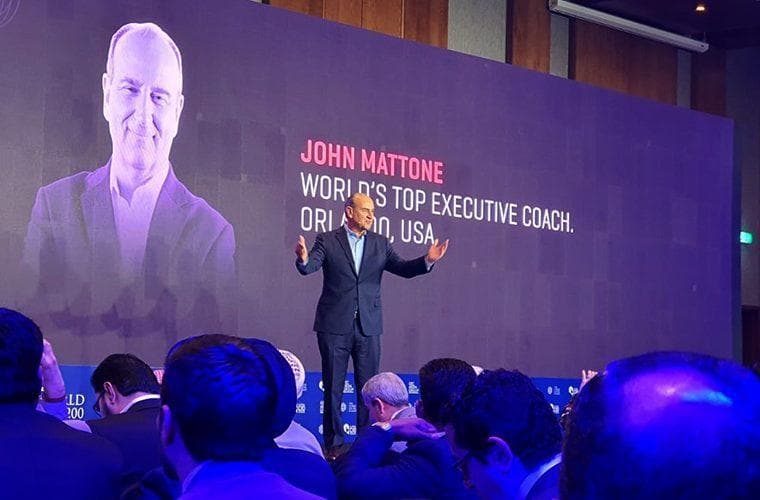
#1John Mattone
 #2
#2Dr. Aldo Civico
 #5
#5Mark Nation
 #9
#9Dr. Barbara Dalle Pezze
 #10
#10Dr. Vincent Pieterse
 #16
#16Puja Talesara
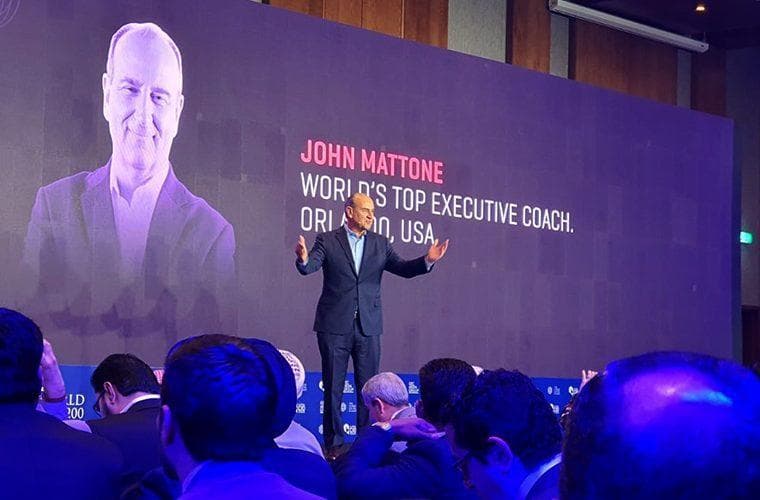
John Mattone & Intelligent Leadership®
John Mattone is the world's #1 ranked executive coach by Global Gurus, a distinction he has held seven times. His proprietary Intelligent Leadership® methodology combines inner-core development (values, character, mindset) with outer-core skills (strategy, communication, execution) to produce measurable, lasting transformation.
JMG's approach is built on proprietary tools like the MLEI® and STLI-360® assessments, which give leaders a data-driven baseline and a clear roadmap for growth. Combined with the LeaderWatch® tracking system, every coaching engagement delivers documented, quantifiable results.
Learn About Intelligent LeadershipWhy Philadelphia Leaders Choose JMG
Philadelphia’s metro economy generates over $557 billion in gross metropolitan product, ranking 11th among U.S. metro areas. The Greater Philadelphia region is home to 13 Fortune 500 companies, including global giants like Cencora (#10, $294 billion revenue), Comcast (#35, $123.7 billion), and Aramark (#239, $17.4 billion). The city proper hosts approximately 791,400 jobs as of December 2024, with 37,400 jobs added over the prior year. The federal government maintains a notable presence through the Philadelphia Mint, the Federal Reserve Bank of Philadelphia, and multiple federal courts, adding institutional stability unusual for cities this size.
Key Industries
Major Companies
Schedule Your Consultation
Book directly with Nicholas Mattone or Trevor Maloney. No sales pitch, just actionable insight on your highest-impact leadership lever.
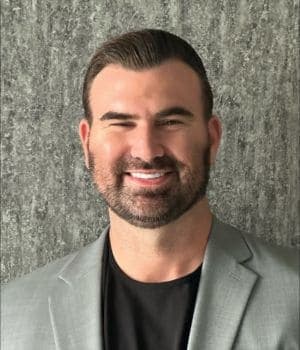
Nicholas Mattone
CEO of JMG | Executive coach and leadership strategist
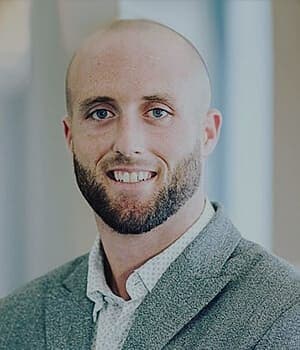
Trevor Maloney
Chief Growth Officer | IL Master Coach and advisor to global C-suites
Frequently Asked Questions
Why is Philadelphia a leading market for executive coaching?
Philadelphia is the 11th-largest metro economy in the United States, generating over $557 billion in GDP, and is home to 13 Fortune 500 companies across the broader metro region. The city’s concentration of major healthcare systems (Penn Medicine, Jefferson Health, CHOP), world-class universities (University of Pennsylvania, Temple, Drexel), and a #4-ranked national life sciences corridor creates an unusually deep pool of senior leaders who must manage complex, highly regulated industries. Philadelphia’s position on the Northeast Corridor between New York and Washington, D.C. places its executives at the intersection of financial markets and federal regulatory environments.
What industries drive demand for executive coaching in Philadelphia?
Healthcare and life sciences are the dominant drivers. Philadelphia’s 15 major health systems, 118 metro-area hospitals, and 55,000 life sciences workers create constant demand for leaders who can manage clinical operations, manage regulatory complexity, lead through mergers and consolidation, and drive research commercialization. Financial services, anchored by The Vanguard Group and Lincoln National, and telecommunications (Comcast) add corporate leadership demand at Fortune 500 scale. Higher education, with over 100 institutions producing 96,000+ graduates annually, presents unique leadership challenges around academic governance, research funding, and town-gown dynamics.
How does Philadelphia’s "eds and meds" economy shape its executive coaching needs?
Philadelphia’s healthcare and education sectors are not just large employers; they are the engines that power the entire regional economy. The University of Pennsylvania alone supports one in seven Philadelphia jobs and circulates $25.2 billion through the city annually. Hospital executives must manage through rapid consolidation (Jefferson grew from 3 to 32 hospitals in a decade), physician unionization, and federal funding uncertainty. University leaders balance academic mission with billion-dollar operating budgets. Life sciences executives translate university research into commercial ventures while competing against Boston and San Francisco for venture capital.
What makes Philadelphia different from nearby markets like New York or Washington, D.C. for executive coaching?
Philadelphia offers a leadership environment that blends the institutional depth of a major city with the interconnected, relationship-driven dynamics of a smaller market. Unlike New York, where industries are diffuse and networks are sprawling, Philadelphia’s business community is tightly knit around its anchor institutions. The same leaders sit on hospital boards, university advisory councils, and civic committees. Unlike Washington, D.C., where leadership is dominated by government, Philadelphia’s economy is driven by private-sector healthcare, life sciences, and corporate headquarters. Philadelphia also offers a significant cost advantage, making it compelling for companies that need Northeast Corridor access without Northeast Corridor prices.
How is Philadelphia’s rapid healthcare consolidation affecting leadership development needs?
Philadelphia is experiencing one of the most active periods of healthcare consolidation in the nation. Jefferson Health’s growth from 3 to 32 hospitals, Penn Medicine’s acquisition of Doylestown Health, and the integration of Einstein Healthcare Network into Jefferson have created mega-systems where executives must lead across dozens of facilities, multiple states, and diverse organizational cultures. At the same time, approximately 4,400 resident physicians and fellows have unionized or announced plans to do so, introducing new labor relations dynamics. Healthcare executives need coaching to manage the integration of disparate clinical cultures, build trust across newly combined organizations, and sustain quality of care through periods of institutional upheaval.